

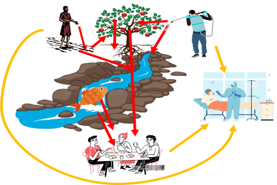
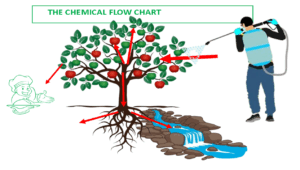
- The widespread use of highly hazardous pesticides (HHPs) poses significant risks to both human health and the environment. Despite their continued application in agriculture, many communities remain unaware of the short- and long-term consequences of exposure to these toxic substances.
HUMAN HEALTH IMPACTS
- In Kenya, as in many low- and middle-income countries, communities heavily rely on agriculture. These communities, particularly farmers and pesticide applicators, are disproportionately affected by acute pesticide poisoning. The alarming statistics indicate tens to hundreds of thousands per year fatalities occur globally each year due to poisoning, and Kenyan communities certainly bear a significant portion of this burden
- Endocrine Disruption: HHPs interfere with the hormone system, potentially causing developmental, reproductive, neurological, and immune issues.
- Carcinogenic: Some HHPs are known to cause cancer by altering the normal cellular processes or damaging DNA,.
- Reproductive and Developmental Toxicity: HHPs that can harm the reproductive system or adversely affect the development of the foetus or offspring.
- Mutagenicity: Substances that can cause changes or mutations in genetic material, potentially leading to birth defects, cancer, or other health problems.
- Neurotoxicity: Substances that damage or disrupt the nervous system, leading to issues such as cognitive impairments, nerve damage, or developmental delays.
ENVIRONMENTAL IMPACTS.
- Highly hazardous pesticides (HHPs) have significant environmental impacts due to their toxic nature, persistence, and potential to contaminate ecosystems. Below are the key environmental effects of HHPs.
- Biodiversity loss – HHPs exposure can kill beneficial insects (pollinators) such as bees, butterflies, and natural predators of pests.
- Water contamination – Most chemical agents are usually eroded into rivers, lakes, and other water sources as surface run-off.
- Soil contamination – HHPs can accumulate in the soil, altering microbial balance. They reduce soil fertility by killing beneficial organisms like earthworms and nitrogen-fixing bacteria.
- Harm to wildlife – Birds and other animals that consume contaminated plants or prey can suffer from poisoning.
- Bioaccumulation and Biomagnification – Some HHPs accumulate in animal tissues and magnify up the food chain, threatening top predators and human consumers.
- Disruption of Ecosystem Services – HHPs disrupt ecological processes like pest regulation, nutrient cycling, and pollination, undermining food systems and biodiversity.
- Resistance Development – Overuse of HHPs can lead to resistant pest species, requiring even more toxic chemicals and perpetuating a harmful cycle. Resistance in pests like the fall armyworm (Spodoptera frugiperda) is already compromising food security in Sub-Saharan Africa.
ALTERNATIVES TO HIGHLY HAZARDOUS PESTICIDES
Upstream conservation and pollution control
Organic soil fertility management
Soil and water conservation -.
Soil organic matter management-
Application of supplements
Mulching
Physical removal of pests and infected plants
Physical control: Timely weeding
Biological control
Intercropping/ Companion planting
Bio-inputs
Crop rotation
Diversity
Repellant crops